Methylprednisolone 4 mg: Uses, Dosage & Cost in 2026
Methylprednisolone 4 mg: Uses, Dosage, and Cost in 2026
If your doctor handed you a Medrol Dosepak for a bad asthma flare, a gout attack, or a nasty case of poison ivy, you probably have two questions on your mind: how do I take these 21 little tablets, and why does a short course of steroids cost what it does?
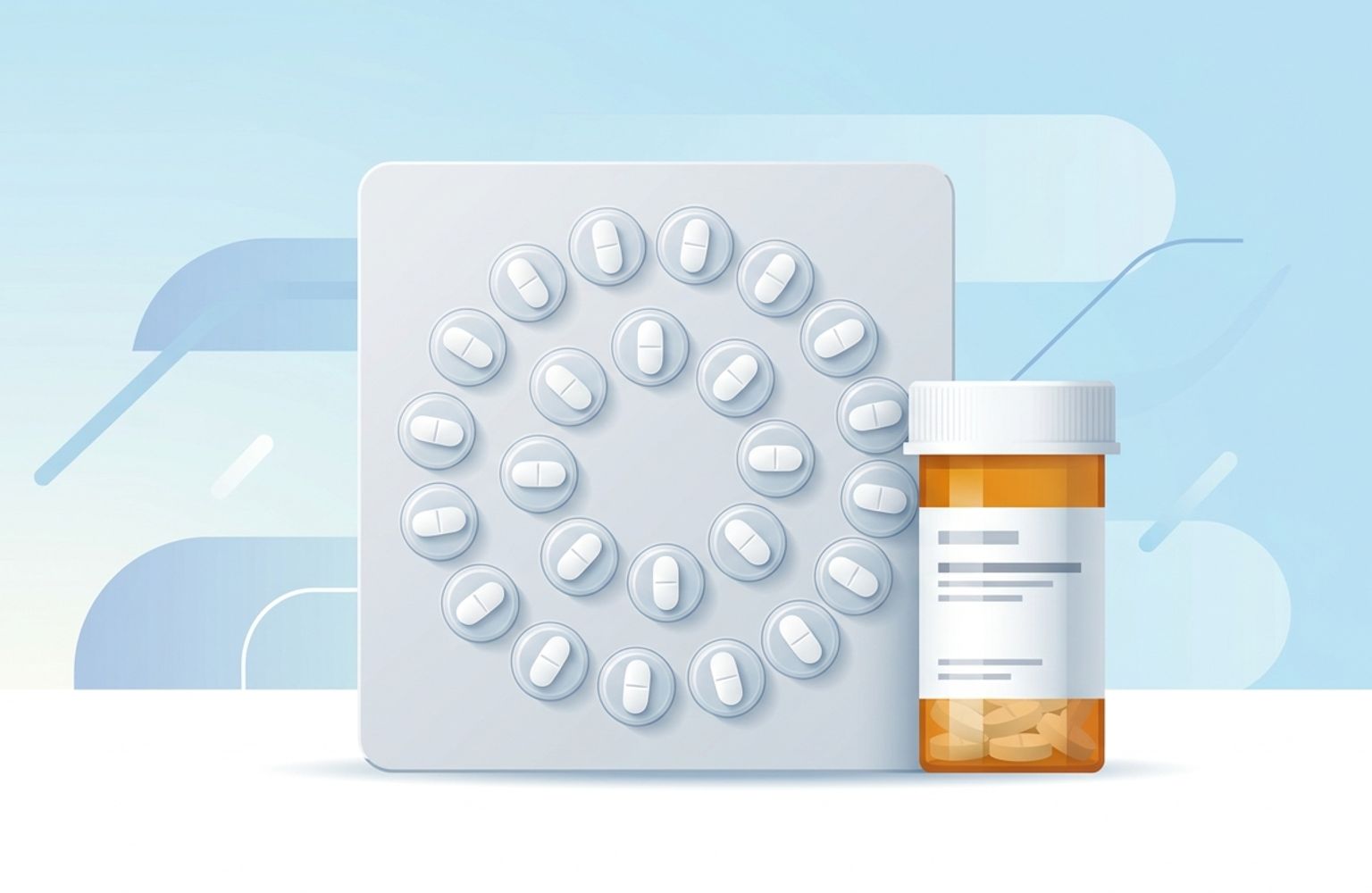
Methylprednisolone 4 mg is one of the most commonly prescribed corticosteroids in the US. It's the active drug in the Medrol Dosepak — that familiar dial-pack of 21 pills that tapers you off steroids over six days. Here's what the medication actually does, how the standard 21-tablet schedule works, what to watch out for, and what it should cost you at the pharmacy counter in 2026.
At a glance
- Methylprednisolone 4 mg is a corticosteroid used for short-term control of inflammation from asthma, allergies, arthritis, gout, skin flare-ups, and many other conditions.
- The Medrol Dosepak contains 21 tablets designed for a six-day taper — six tablets on day one, then five, four, three, two, and one.
- Typical cash prices in the US range from about $30 to $60 retail for a 21-tablet Dosepak, with discount cards bringing that down to the $3–$15 range at most pharmacies.
- Methylprednisolone is roughly 20% stronger than prednisone on a milligram-for-milligram basis, which is why 4 mg of methylprednisolone is often substituted for 5 mg of prednisone.
- Short courses are usually well-tolerated, but even a few days of steroids can cause insomnia, mood changes, elevated blood sugar, and appetite spikes.
What is methylprednisolone 4 mg?
Methylprednisolone is a synthetic glucocorticoid — a lab-made version of cortisol, the hormone your adrenal glands produce in response to stress. It suppresses the immune system and calms inflammation throughout the body. The 4 mg oral tablet is the dose you'll see most often because it's the exact strength used in the Medrol Dosepak, the standard six-day taper that primary care doctors and urgent care clinics reach for when someone needs a quick course of steroids.
The brand name is Medrol, made by Pfizer. Generic methylprednisolone is widely available and has been for decades. Both work the same way; the generic just costs less. The FDA first approved methylprednisolone in 1957, so the safety profile and clinical use patterns are well-established.
Methylprednisolone also comes in an injectable form (Solu-Medrol, Depo-Medrol) used in hospitals and clinics, but this guide focuses on the oral 4 mg tablet.
What is it prescribed for?
Methylprednisolone 4 mg is used across an unusually wide range of conditions. That's because inflammation is the common thread in so many medical problems, and corticosteroids dampen it efficiently. The most frequent reasons a doctor will write a prescription:
- Respiratory flare-ups — asthma exacerbations, COPD flare-ups, severe bronchitis, and sometimes sinusitis when swelling is the main issue
- Allergic reactions — severe seasonal allergies, drug reactions, contact dermatitis from poison ivy or oak, and allergic rashes that aren't responding to antihistamines
- Acute musculoskeletal pain — gout flare-ups, rheumatoid arthritis flares, bursitis, and sometimes severe back pain with nerve involvement
- Skin conditions — widespread eczema flare-ups, severe psoriasis, and some autoimmune skin conditions
- Inner-ear problems — sudden sensorineural hearing loss and some cases of Ménière's disease
- Autoimmune conditions — lupus flare-ups, inflammatory bowel disease exacerbations, and similar conditions where the immune system is attacking the body's own tissues
Because the Dosepak is only six days long, it's almost always used for acute, short-term problems. For chronic conditions requiring ongoing steroid therapy, doctors typically switch to prednisone or another corticosteroid at a daily dose that can be adjusted over weeks or months.
How do you take the Medrol Dosepak (21 tablets)?
The Dosepak is one of the few medications that comes packaged specifically for its dosing schedule. The blister pack is arranged in rows, and each row corresponds to one day. Here's the standard six-day taper:
| Day | Number of 4 mg tablets | Total daily dose |
|---|---|---|
| Day 1 | 6 tablets | 24 mg |
| Day 2 | 5 tablets | 20 mg |
| Day 3 | 4 tablets | 16 mg |
| Day 4 | 3 tablets | 12 mg |
| Day 5 | 2 tablets | 8 mg |
| Day 6 | 1 tablet | 4 mg |
That's 21 tablets total across six days. Some prescribers spread each day's tablets out — for example, two tablets with breakfast, lunch, and dinner on day one. Others have you take the full day's dose once in the morning to minimize insomnia. Always follow the exact instructions on your bottle or Dosepak label.
A few practical notes:
Take each dose with food or milk. Methylprednisolone can irritate the stomach, and food reduces that risk noticeably.
Try not to take the last dose of the day late in the evening. Steroids tend to ramp up energy and make sleep difficult, so morning and midday dosing works best for most people.
Don't stop the Dosepak early just because you're feeling better. The taper exists to let your adrenal glands ease back into producing cortisol on their own. Stopping abruptly after even a few days of high-dose steroids can cause fatigue, body aches, and low blood pressure in some people.
If you miss a dose, take it as soon as you remember, unless it's close to the time for your next dose. Don't double up.
Savings tip: If you've been prescribed the Medrol Dosepak specifically, ask your pharmacist whether generic methylprednisolone 4 mg in a bottle is cheaper. Many pharmacies charge more for the branded dial-pack format than for the same 21 tablets dispensed in a regular vial — and you get identical medication either way.
Methylprednisolone vs. prednisone: what's the difference?
These two drugs come up together constantly because they're essentially close cousins. Both are oral corticosteroids used for the same range of inflammatory conditions. The practical differences:
Potency. Methylprednisolone is about 20% more potent than prednisone. That's why 4 mg of methylprednisolone is considered roughly equivalent to 5 mg of prednisone in terms of anti-inflammatory effect. A 6-day Dosepak starting at 24 mg of methylprednisolone is approximately the same intensity as starting at 30 mg of prednisone.
Metabolism. Prednisone is a prodrug — your liver has to convert it to prednisolone before it can work. Methylprednisolone is already active when swallowed. For people with significant liver impairment, methylprednisolone is sometimes preferred because it bypasses that conversion step.
Mineralocorticoid activity. Methylprednisolone has slightly less mineralocorticoid effect, which means a little less sodium retention and water weight gain compared to the same anti-inflammatory dose of prednisone. The difference is small and rarely clinically significant for short courses.
Cost. Generic prednisone is typically cheaper per tablet than generic methylprednisolone, though both are inexpensive. A 30-day supply of prednisone often runs $10–$20 retail, while a Medrol Dosepak is more likely to be $30–$60 retail.
For most patients, the choice between the two comes down to the prescriber's preference and the convenience of the pre-packaged taper. Neither is clinically superior for the typical acute flare-up.
Side effects of methylprednisolone 4 mg
Even a short course of methylprednisolone can produce noticeable side effects, though most are mild and resolve when the medication is finished. The most common:
- Insomnia and restlessness — steroids mimic your stress hormones, and that keeps your brain wired
- Increased appetite — many people notice they're suddenly hungry all the time
- Mood changes — irritability, anxiety, and occasionally euphoria or mild mania, especially at higher doses
- Elevated blood sugar — a concern for anyone with diabetes or prediabetes; steroids can push blood glucose up significantly
- Fluid retention and mild weight gain — typically resolves within a week after finishing the course
- Stomach upset or heartburn — take with food to reduce this
- Facial flushing and redness — usually mild, goes away on its own
Less common but worth knowing about: acne flares, changes in menstrual cycles, blurred vision, and a reactivation of infections. If you have an active bacterial or fungal infection, methylprednisolone can make it worse because it suppresses the immune response that's fighting the infection.
When to call your doctor right away:
- Severe stomach pain or black/tarry stools (possible GI bleeding)
- Sudden mood changes, including thoughts of self-harm
- Vision changes or eye pain
- Signs of an infection getting worse (high fever, spreading redness, severe symptoms)
- Severe swelling in the legs or sudden shortness of breath
- Chest pain or a rapid, irregular heartbeat
Long-term side effects — osteoporosis, cataracts, diabetes, adrenal suppression, muscle weakness — are rarely a concern with a single Dosepak. They become relevant with repeated courses over months or years.
What about drug interactions and warnings?
Methylprednisolone interacts with a surprising number of medications. Before starting a Dosepak, tell your prescriber or pharmacist about:
- Blood thinners like warfarin — steroids can alter how warfarin works, so your INR may need closer monitoring
- NSAIDs like ibuprofen or naproxen — the combination significantly raises the risk of stomach ulcers and GI bleeding
- Diabetes medications — you may need temporary dose adjustments because of blood sugar spikes
- Certain antibiotics and antifungals like clarithromycin or ketoconazole — these can raise methylprednisolone levels in the blood
- Vaccines — live vaccines (MMR, yellow fever, live flu spray) should generally be avoided during and just after a steroid course
- Birth control pills — may slightly increase methylprednisolone levels
Avoid alcohol while on methylprednisolone if possible. The combination is harder on the stomach and can amplify mood effects.
If you're pregnant, breastfeeding, or trying to conceive, talk to your doctor before starting. Short courses are sometimes used in pregnancy when the benefit clearly outweighs the risk, but the decision should be individualized.
How much does methylprednisolone 4 mg cost without insurance?
This is where things get interesting, because the price of what's essentially a 70-year-old generic varies wildly depending on where you fill it.
Retail cash price — without any discount, a 21-tablet Medrol Dosepak or generic methylprednisolone 4 mg typically runs $30–$60 at most major US pharmacies. Some independent pharmacies price it higher, especially for the branded dial-pack. Larger quantities (100 tablets) usually cost $80–$150 retail.
Discount card price — with a pharmacy discount program, the same Dosepak often drops to $3–$15 at chain pharmacies. That's usually the cheapest option for a one-off six-day course.
Insurance copay — most commercial insurance plans cover generic methylprednisolone with a $5–$15 copay for a short course, though high-deductible plans may leave you paying full retail until your deductible is met.
Cash-pay pharmacy network price — through a cash-pay network like CanAmerica Plus, a 100-tablet supply of brand-name Medrol 4 mg is listed at $103.99, which works out to about $1.04 per tablet. That's a better value for anyone taking methylprednisolone more than once a year or for conditions requiring ongoing low-dose therapy.
The pricing math depends heavily on what you actually need. For a one-time Dosepak, a discount card at a chain pharmacy is usually the lowest-friction choice. For recurring prescriptions or longer courses, checking cash-pay network pricing is worth the extra minute.
Cost context: Pricing on generics can shift month to month at US pharmacies because of supply chain changes and drug-shortage rebates. A price you paid six months ago may not be the price today. It's worth checking two or three options before filling, especially if you're paying cash.
Who should avoid methylprednisolone?
Methylprednisolone isn't appropriate for everyone. Your doctor will probably avoid prescribing it — or watch you more carefully — if you have:
- A systemic fungal infection (steroids can allow it to spread)
- Active, untreated tuberculosis
- Recent live vaccines or upcoming live vaccines
- Uncontrolled diabetes (you may still get it, but with closer glucose monitoring)
- A history of severe psychiatric reactions to steroids
- Severe osteoporosis
- Active peptic ulcer disease
- Known hypersensitivity to methylprednisolone or any corticosteroid
Tell your prescriber if you have a history of heart disease, high blood pressure, glaucoma, cataracts, or recent surgery. None of these are hard contraindications for a short course, but they affect how closely you'll need to be monitored.
Managing side effects during a course
A few small adjustments can make a Dosepak much easier to tolerate:
Take it with breakfast. A full day's dose taken with a real meal — not just a glass of juice — reduces stomach irritation and shifts the energy boost to when you can actually use it.
Hold off on caffeine. If you're already jittery, coffee makes it worse. Try cutting your usual caffeine in half for the six days.
Eat more protein and fiber. Steroids tend to break down muscle over time, and the appetite increase often pushes people toward simple carbs. A little extra protein and vegetable fiber keeps the scale from jumping.
Watch the salt. Methylprednisolone causes some fluid retention. Going easy on processed foods and restaurant meals for the week can prevent the puffy-face look some people get.
Plan for the mood wave. If you're sensitive to the stimulant effect of steroids, warn the people you live with. Knowing that you might be a little more irritable than usual makes it easier to handle.
Sleep proactively. If you know insomnia hits you on steroids, talk to your doctor about whether a short-term sleep aid is reasonable, and take your dose as early in the day as possible.
The bottom line
Methylprednisolone 4 mg is one of the workhorse medications in American primary care. A short course, usually in the form of a six-day Medrol Dosepak, knocks down acute inflammation quickly for conditions ranging from asthma flares to poison ivy to gout attacks. Side effects are common but usually mild and temporary. If you've been prescribed it, follow the taper as written, take it with food, and check a couple of pricing options before filling — the difference between the first price you see and the cheapest price can be dramatic for a medication this old.
Frequently asked questions
Is methylprednisolone 4 mg a steroid?
Yes. Methylprednisolone is a corticosteroid — specifically a synthetic glucocorticoid. It's in the same drug class as prednisone, dexamethasone, and hydrocortisone. It's not an anabolic steroid like the ones used for muscle building; those are a completely different class of drugs.
How many 4 mg methylprednisolone tablets should I take?
The standard Medrol Dosepak schedule is 6 tablets on day 1, 5 on day 2, 4 on day 3, 3 on day 4, 2 on day 5, and 1 on day 6 — 21 tablets total. But your prescriber may adjust this based on your condition and weight. Always follow the instructions on your bottle or Dosepak label rather than a generic schedule.
How quickly does methylprednisolone 4 mg work?
Most people feel significant symptom relief within 12–24 hours of the first dose. Anti-inflammatory effects peak about one to two hours after each tablet and last around 12 hours. For conditions like asthma flares and allergic reactions, the loading dose on day 1 does most of the heavy lifting.
Can I drink alcohol while taking methylprednisolone?
It's best to avoid alcohol during a short course. The combination increases the risk of stomach irritation and GI bleeding, and both alcohol and steroids can disrupt sleep and mood. If you do drink, keep it minimal and take your medication with food.
Is methylprednisolone 4 mg the same as prednisone 4 mg?
They're not interchangeable milligram for milligram. Methylprednisolone is about 20% more potent than prednisone, so 4 mg of methylprednisolone is roughly equivalent to 5 mg of prednisone. Never substitute one for the other without checking with your prescriber or pharmacist.
What should I do if I forget a dose?
Take the missed dose as soon as you remember. If it's almost time for your next scheduled dose, skip the missed one and continue with your regular schedule. Don't take a double dose to catch up — that increases side effects without adding benefit.
Can I stop methylprednisolone early if I feel better?
For a six-day Dosepak, finishing the full taper is generally recommended even if symptoms resolve quickly. The taper lets your adrenal glands resume normal cortisol production smoothly. Stopping abruptly after a few days of high-dose steroid can cause fatigue, body aches, nausea, and low blood pressure in some people.
This article is for informational purposes only and does not constitute medical advice. Always consult with a qualified healthcare provider for diagnosis and treatment. Pricing information is current as of the publication date but may change. Verify pricing directly before making purchasing decisions.