Pantoprazole 40 mg: Uses, Side Effects & Savings
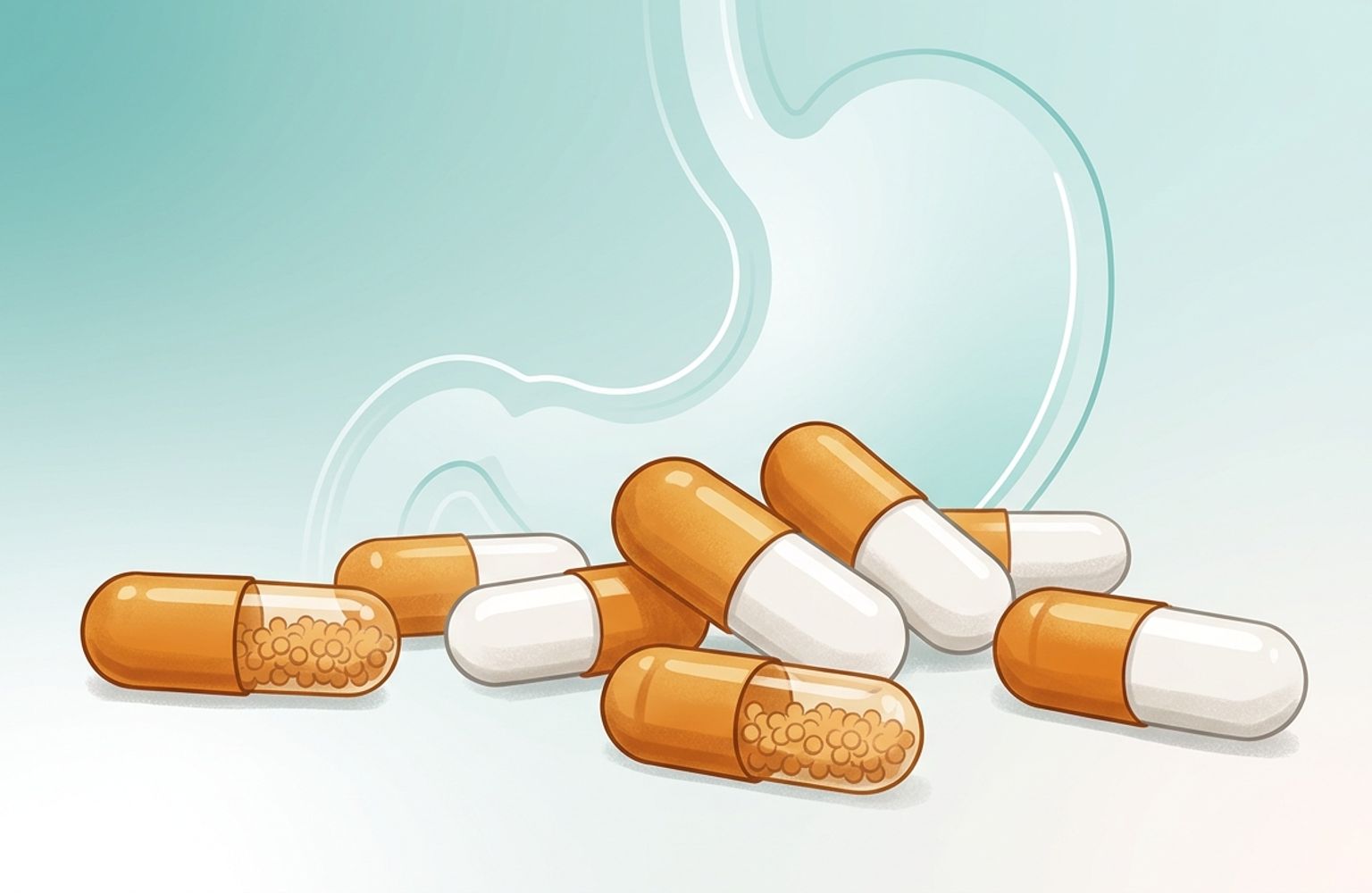
Your doctor just wrote you a prescription for pantoprazole 40 mg, and now you're staring at a pharmacy price tag that doesn't match what you expected. Or maybe you've been taking it for months and the cost keeps creeping up. Either way, you're not alone — pantoprazole is one of the most commonly prescribed medications in the US, with tens of millions of prescriptions filled each year. And for cash-pay patients, the price swing between pharmacies can be staggering.
Here's what you should actually know about this medication — what it does, what to watch for, and how to stop overpaying for it.
At a glance
- Pantoprazole 40 mg is a proton pump inhibitor (PPI) that reduces stomach acid production
- Primarily prescribed for GERD, erosive esophagitis, and Zollinger-Ellison syndrome
- Common side effects include headache (12%), diarrhea (9%), and nausea (7%)
- Brand name is Protonix — the generic version is identical in effectiveness and significantly cheaper
- Cash-pay prices range from roughly $10 to $90+ per month depending on where you fill your prescription
What is pantoprazole 40 mg used for?
Pantoprazole belongs to a class of drugs called proton pump inhibitors, or PPIs. It works by blocking the hydrogen-potassium ATPase enzyme system — the "proton pump" — in the stomach lining. This is the final step in acid production, which is why PPIs are more effective at reducing acid than H2 blockers like famotidine.
The FDA has approved pantoprazole 40 mg for several specific conditions.
Gastroesophageal reflux disease (GERD) is the most common reason doctors prescribe it. If you're dealing with persistent heartburn, acid regurgitation, or that burning sensation behind your breastbone that gets worse after meals or when lying down, pantoprazole can help heal the damage and keep symptoms under control. A typical course runs 4 to 8 weeks.
Erosive esophagitis — actual damage to the esophageal lining from repeated acid exposure — is another key indication. Pantoprazole both heals existing erosions and prevents them from coming back. Studies show healing rates above 90% within 8 weeks at the 40 mg dose.
Zollinger-Ellison syndrome, a rare condition where tumors cause the stomach to produce far too much acid, also calls for pantoprazole, though often at higher doses than the standard 40 mg.
Worth noting: doctors sometimes prescribe pantoprazole off-label for conditions like peptic ulcers, H. pylori treatment (as part of a multi-drug regimen), and stress ulcer prevention in hospitalized patients.
How does pantoprazole work?
All PPIs target the same enzyme, but they get there through slightly different chemistry. Pantoprazole is a benzimidazole derivative that's inactive when you swallow it. Once it reaches the acidic environment of the parietal cells in your stomach lining, it converts into its active form and binds irreversibly to the proton pump.
"Irreversibly" is the key word. Unlike antacids that neutralize acid already in your stomach, or H2 blockers that partially reduce acid production, pantoprazole shuts down the pump entirely. Your body needs to produce new proton pumps to resume full acid secretion, which takes roughly 24 to 48 hours. That's why one daily dose keeps working around the clock.
Acid suppression typically begins within about 2.5 hours of the first dose. But maximum effect takes 2 to 3 days of consistent dosing, so don't expect instant relief on day one.
Best time of day to take pantoprazole 40 mg
This matters more than most people realize. Take pantoprazole 30 to 60 minutes before your first meal of the day. The drug needs to reach your bloodstream before you eat, because eating activates the proton pumps — and pantoprazole can only block pumps that are actively producing acid.
Swallow the tablet whole. Don't crush, split, or chew it. The delayed-release coating protects the medication from being broken down by stomach acid before it reaches the small intestine, where it's absorbed.
If you're on a twice-daily dose (which some patients with severe erosive esophagitis require), take the second dose 30 to 60 minutes before dinner.
Timing tip: If you consistently take pantoprazole after eating or at bedtime instead of before breakfast, you may get significantly less acid suppression. Studies show that pre-meal dosing achieves roughly 40% greater acid control than bedtime dosing. If your symptoms aren't improving, check your timing before assuming the medication isn't working.
Pantoprazole 40 mg side effects
Most people tolerate pantoprazole well. In clinical trials, the most commonly reported side effects at the 40 mg dose were:
| Side effect | Incidence |
|---|---|
| Headache | 12.2% |
| Diarrhea | 8.8% |
| Nausea | 7.0% |
| Abdominal pain | 6.2% |
| Vomiting | 4.3% |
| Gas/flatulence | 3.9% |
| Dizziness | 3.0% |
| Joint pain | 2.8% |
These are generally mild and tend to resolve within the first few weeks of treatment. Most patients don't need to stop the medication because of them.
Serious side effects to watch for
Rare, but important to know about.
Kidney problems. PPIs, including pantoprazole, have been linked to acute interstitial nephritis — a type of kidney inflammation that can come on suddenly, sometimes months into treatment. Symptoms include decreased urine output, swelling in the legs or feet, and feeling unusually tired. If you notice these, contact your doctor promptly.
Clostridium difficile infection. Stomach acid is part of your body's defense against harmful bacteria. Reducing it can increase the risk of C. diff, particularly in hospitalized patients or those on antibiotics. Persistent watery diarrhea that doesn't resolve is a warning sign.
Lupus-like reactions. Rarely, PPIs can trigger cutaneous or systemic lupus erythematosus. Watch for new joint pain, a rash across the cheeks and nose, or unexplained fatigue. These reactions can occur weeks to years after starting treatment.
Severe skin reactions. Stevens-Johnson syndrome and toxic epidermal necrolysis have been reported, though extremely rarely. Any widespread rash, blistering, or skin peeling warrants immediate medical attention.
Bone fractures. Long-term PPI use (a year or more) at high doses has been associated with increased fracture risk in the hip, wrist, and spine, particularly in older adults. The FDA issued a safety communication about this in 2010 and updated it in 2011.
Drug interactions you should know about
Pantoprazole interacts with fewer medications than some other PPIs (notably omeprazole), but there are still important ones.
Warfarin: Pantoprazole can increase INR levels in patients taking warfarin, raising the risk of bleeding. If you're on both, your doctor should monitor your INR more frequently, especially when starting or stopping pantoprazole.
Methotrexate: High-dose methotrexate combined with PPIs can lead to elevated methotrexate levels in the blood, increasing toxicity risk. If you take methotrexate, your doctor may need to temporarily stop pantoprazole during treatment cycles.
Rilpivirine: This HIV medication requires stomach acid for proper absorption. Taking it with pantoprazole significantly reduces rilpivirine blood levels, which can lead to treatment failure and drug resistance. These two should never be used together.
Drugs that need acid for absorption: Ketoconazole, iron supplements, ampicillin esters, and erlotinib all depend on an acidic stomach to dissolve properly. Pantoprazole can reduce their effectiveness.
One notable difference from omeprazole: pantoprazole has a weaker interaction with clopidogrel (Plavix). While omeprazole significantly reduces clopidogrel's antiplatelet activity, pantoprazole has minimal effect. This makes pantoprazole the PPI of choice for patients who also take clopidogrel — something worth discussing with your doctor if you're on both a blood thinner and an acid reducer.
Long-term risks of pantoprazole
PPIs were originally designed for short-term use — 4 to 8 weeks for most GERD cases. The reality is that many patients end up on them for years. Here's what the research says about prolonged use.
Vitamin B12 deficiency. Stomach acid helps release B12 from food proteins. Years of acid suppression can reduce B12 absorption, potentially leading to fatigue, numbness in hands and feet, difficulty walking, and cognitive changes. The risk is most significant after 2 or more years of daily use.
Low magnesium (hypomagnesemia). Serious cases have been reported, usually after at least 3 months of PPI therapy but more commonly after a year. Symptoms include muscle cramps, irregular heartbeat, tremors, and seizures. The FDA recommends monitoring magnesium levels in patients expected to be on long-term PPI therapy.
Increased infection risk. Beyond C. diff, reduced stomach acid may increase susceptibility to other gastrointestinal infections, including Salmonella and Campylobacter.
Rebound acid hypersecretion. Stopping a PPI abruptly after long-term use can trigger a temporary surge in acid production that's actually worse than what you started with. This isn't a reason to stay on the drug forever — but it is a reason to taper off gradually under your doctor's guidance rather than quitting cold turkey.
Talk to your doctor if you've been on pantoprazole for more than 8 weeks without a clear plan for how long to continue. Many patients can successfully step down to a lower dose, switch to an H2 blocker, or manage symptoms with lifestyle changes. The goal is the lowest effective dose for the shortest necessary time.
Pantoprazole vs. omeprazole: how do they compare?
This is one of the most common questions patients ask, and for good reason — both are PPIs, both treat GERD, and both are available as inexpensive generics. The differences are subtle but can matter depending on your situation.
| Pantoprazole 40 mg | Omeprazole 20 mg | |
|---|---|---|
| FDA-approved for | GERD, erosive esophagitis, Zollinger-Ellison | GERD, ulcers, H. pylori (combo), Zollinger-Ellison |
| Available OTC? | No (prescription only) | Yes (Prilosec OTC 20 mg) |
| Clopidogrel interaction | Minimal — generally safe together | Significant — FDA warns against combining |
| CYP2C19 metabolism | Lower affinity — fewer drug interactions | Higher affinity — more drug interaction potential |
| IV formulation | Yes | Yes |
| Typical cash price (30-day) | $10–$90 | $8–$30 (OTC) / $15–$80 (Rx) |
In head-to-head studies, both drugs show similar effectiveness for healing erosive esophagitis and controlling GERD symptoms. The main clinical advantages of pantoprazole are its more predictable metabolism (it's less affected by genetic variations in the CYP2C19 enzyme) and its safety alongside clopidogrel.
Other PPIs in the same class include esomeprazole (Nexium) and lansoprazole (Prevacid). Your doctor can help determine which PPI is the best fit based on your other medications and medical history.
How much does pantoprazole 40 mg cost?
The brand name Protonix can run several hundred dollars per month without insurance. That's worth knowing, but in practice, almost everyone should be on the generic.
Generic pantoprazole 40 mg prices vary widely depending on where you fill:
| Pharmacy type | Approximate 30-day cost |
|---|---|
| Major chain pharmacy (cash price) | $30–$90 |
| Warehouse clubs (Costco, etc.) | $10–$25 |
| Online discount pharmacies | $8–$20 |
| Cash-pay health networks | Often significantly less than chain pharmacies |
The spread is real. The exact same generic medication, same manufacturer, same pill — and the price difference between pharmacies can be 5x or more. This is especially painful for patients paying out of pocket, whether they're uninsured, underinsured, or stuck with a high-deductible plan that hasn't been met yet.
If you're paying more than $20/month for generic pantoprazole, it's worth shopping around. Cash-pay options through services like CanAmerica Plus can reduce costs well below what most chain pharmacies charge, without needing insurance at all.
The bottom line
Pantoprazole 40 mg is an effective, well-studied medication for GERD, erosive esophagitis, and excess stomach acid conditions. It's been on the market for over two decades, and its safety profile is well-documented. Take it before breakfast, be aware of the side effects (especially on long-term use), and talk to your doctor about whether you still need it every few months.
On the cost side, there's no reason to overpay. Generic pantoprazole is widely available, and cash-pay pricing can often beat insurance copays. Check your options before automatically filling at the nearest pharmacy.
Frequently asked questions
Is pantoprazole 40 mg the same as Protonix?
Yes. Protonix is the brand name for pantoprazole. The generic contains the same active ingredient at the same dose and is FDA-rated as therapeutically equivalent. The only difference is the price — generic pantoprazole costs a fraction of brand-name Protonix.
Can I take pantoprazole 40 mg twice a day?
Some patients with severe erosive esophagitis or Zollinger-Ellison syndrome are prescribed 40 mg twice daily. But this should only happen under your doctor's direction. Don't double your dose on your own — more acid suppression isn't always better and increases the risk of side effects.
How long does it take for pantoprazole 40 mg to work?
You may notice some symptom relief within 2 to 3 days, but full effect typically takes about a week of consistent daily dosing. For healing erosive esophagitis, most patients need a full 4- to 8-week course. If you're not seeing improvement after 2 weeks, follow up with your prescriber.
What happens if I miss a dose?
Take it as soon as you remember, as long as it's before a meal. If it's close to your next scheduled dose, skip the missed one and continue your regular schedule. Don't take two doses at once to make up for it.
Is it safe to take pantoprazole long-term?
It can be, but it's not risk-free. Long-term PPI use has been associated with B12 deficiency, low magnesium, increased bone fracture risk, and higher susceptibility to certain gut infections. The key is regular check-ins with your doctor to confirm you still need it and to monitor for complications. Many patients can safely taper off after their initial treatment course.
This article is for informational purposes only and does not constitute medical advice. Always consult with a qualified healthcare provider for diagnosis and treatment. Pricing information is current as of the publication date but may change. Verify pricing directly before making purchasing decisions.